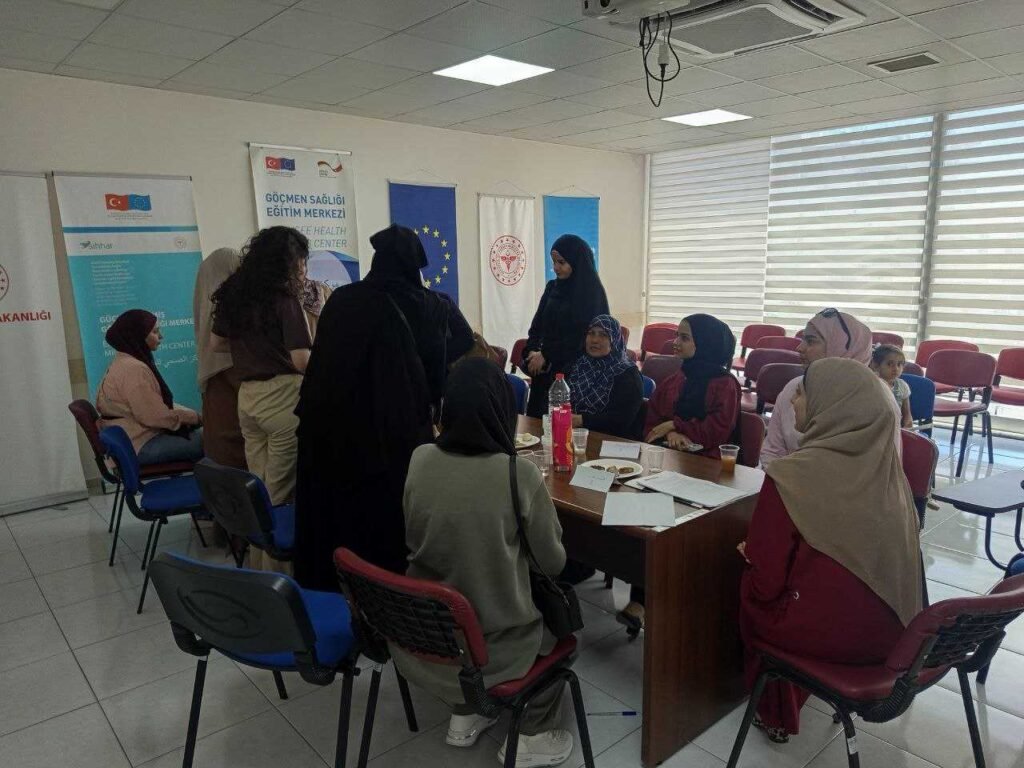
When I first started working in data collection, I mostly saw it as a technical process: preparing tools, training field teams, supervising data collection, conducting interviews, and making sure the data was accurate and complete.
Over time, however, my experience changed the way I look at data.
I started with online data collection and interviews, and later gained more experience collecting data in the field. Working with Syrian communities in particular gave me a sense of connection to people from my own community, even while being away from home.
With every interview, I found myself becoming more interested in the person behind the response. I would prepare carefully, put myself in the respondent’s place, and try to understand not only what they were saying, but also the experience behind their answer.
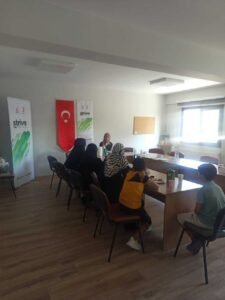
Sometimes, the feedback I received after an interview stayed with me. People would tell me that they initially felt shy or hesitant, but gradually became more comfortable. Others told me that they appreciated the way I asked questions and that the conversation felt different from a typical interview.
For me, these moments were reminders that an interview is not simply a list of questions and answers. It is an interaction between people.
They also shaped the way I approach data collection professionally. I learned that good data collection requires more than a well-designed tool. It requires careful preparation, active listening, asking the right follow-up questions, understanding the context behind an answer, and creating a space where people feel comfortable sharing their experiences.
Every interview introduced me to someone new, and every person taught me something new about communication, about listening, and about data collection itself.
This is probably one of the most important things fieldwork has taught me:
Data is never just a number in a database. Behind every data point, there is a person, a real experience, and a story worth listening to.
Whether the person is a beneficiary, an employee, a community member, or another stakeholder, their role does not make their perspective less human. Every person we speak to deserves to be listened to with respect and genuine attention.
About the Author
Fatima Al-Hammadeh is a Project Officer in the Operations Department at Trust Consultancy & Development, where she has been contributing since 2021. Through her work, she brings practical experience and insights into data collection and field operations, reflecting on how these experiences shape the way we understand and use data.
